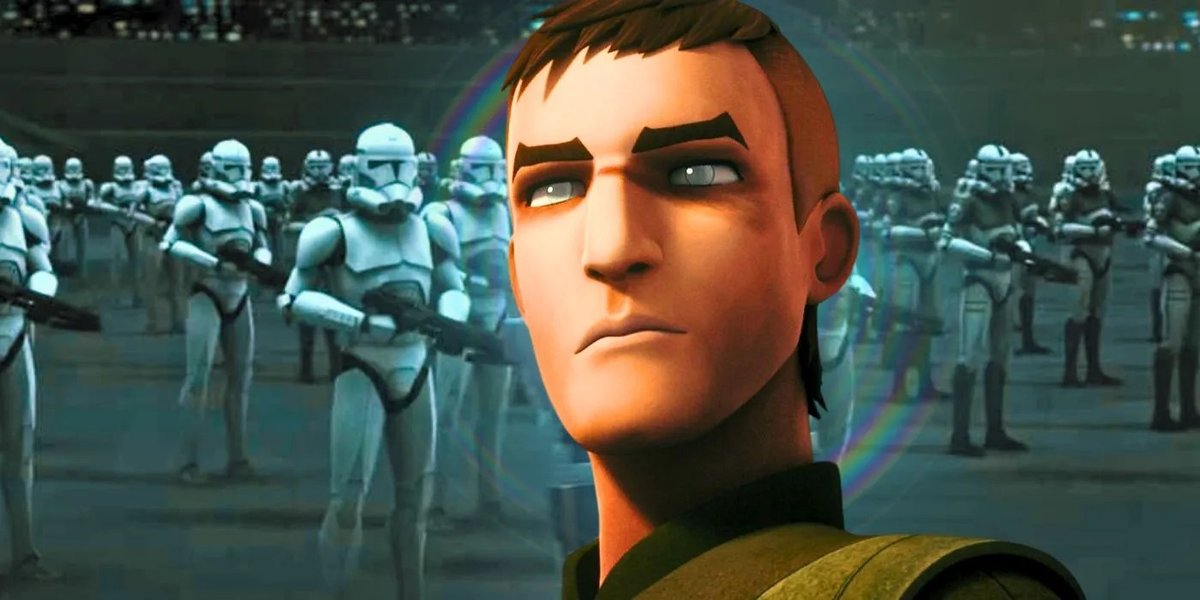
Navigating the sprawling galaxy of Star Wars can sometimes feel like jumping into hyperspace without a map. Few journeys are as rewarding, or initially as confusing, as understanding The Clone Wars' Chronological Connection to Rebels and The Bad Batch. If you've ever started The Clone Wars and felt like you missed an episode, you're not alone. George Lucas and supervising director Dave Filoni intentionally crafted the original series as an anthology, focusing on themes and character moments rather than strict linear progression. While groundbreaking, this approach means vital character arcs and plot points can feel jarring or out of place for new viewers, impacting their emotional resonance and muddying the waters for how the story flows into shows like Rebels and The Bad Batch.
This guide is your co-pilot, designed to cut through the confusion and show you exactly how The Clone Wars—when viewed correctly—serves as the indispensable narrative bridge to many of your favorite Star Wars stories.
At a Glance: Why Chronology Is Your Co-Pilot
- The Clone Wars wasn't released in order: The episodes aired in an anthology format, not chronologically.
- Chronological is best: For a cohesive narrative, strong character development (Ahsoka, Clones), and seamless plot arcs (Maul, Mandalore), watching in chronological order is highly recommended.
- Official guidance exists: Lucasfilm released an official chronological episode list, a true blessing for viewers.
- Crucial bridge to other shows: The Clone Wars is essential canon, directly connecting to Rebels, The Bad Batch, The Mandalorian, and Ahsoka.
- The 2008 movie fits into the series: It's not a standalone prequel; it introduces Ahsoka and should be watched mid-series.
- Disney+ defaults to release order: You'll need to manually follow a chronological list.
Unraveling the Chronological Conundrum: Why The Clone Wars Was So "Out of Order"
Imagine reading a novel where chapters skip around in time, jumping forward to an emotional climax only to rewind two chapters later to explain the setup. That's essentially what watching Star Wars: The Clone Wars in its original release order feels like. Lucas and Filoni conceived the series as an anthology. Each episode or mini-arc was designed to stand on its own, exploring specific themes, characters, or battle scenarios within the expansive three-year conflict. This approach allowed for creative freedom, enabling the creators to jump between various points of the war and explore different facets of its impact on the galaxy.
While this non-linear storytelling offered unique artistic benefits, it inadvertently created a fragmented viewing experience for those seeking a continuous narrative. Key character developments—like Ahsoka Tano’s growth from a brash Padawan to a seasoned leader, or the evolution of clone troopers from identical soldiers to distinct individuals—can feel abrupt and less impactful when you’re watching events out of sequence. Major plot threads, such as Darth Maul's shocking return or the intricate political machinations surrounding Mandalore, lose some of their narrative momentum and emotional weight when their foundational episodes aren't seen first.
This is precisely why watching the series in chronological order transforms the viewing experience from a collection of compelling tales into a cohesive, epic saga. It ensures that every character's journey, every critical plot twist, and every thematic exploration lands with the full force of its intended impact.
Why Chronological Viewing Isn't Just "Nice," It's Necessary
Stepping through The Clone Wars in its proper timeline isn't just about ticking boxes; it's about unlocking a richer, more emotionally resonant story. For fans hoping to deeply connect with Anakin's eventual fall, Ahsoka's resilience, or the tragic fate of the clones, this sequential approach is non-negotiable.
Character Evolution: Seeing Them Grow (and Break)
- Ahsoka Tano's Journey: This is arguably the most compelling reason to watch chronologically. Her transformation from an eager, sometimes reckless, Padawan into a wise, formidable Force-user is central to The Clone Wars. Viewing her story out of order can make her leaps in maturity, her moments of doubt, and her pivotal decisions—especially her dramatic departure from the Jedi Order—feel less earned. Chronological viewing reveals the subtle shifts in her relationship with Anakin, foreshadowing his own dark path, and sets the stage for her later appearances in Rebels and her own live-action series.
- Anakin Skywalker's Descent: You witness Anakin's increasing reliance on the dark side, his emotional volatility, and his growing distrust of the Jedi Council unfold organically. Each mission, each moral compromise, each moment of Palpatine's manipulation builds upon the last, making his ultimate transformation into Darth Vader feel tragic and inevitable, rather than sudden.
- The Clone Troopers' Humanity: Characters like Captain Rex, Fives, Echo, and Commander Cody gain incredible depth. You follow them from their "birth" as cadets (as seen in the Domino Squad Arc), witnessing their bonds, their bravery, and their dawning awareness of their own individuality. This journey is crucial to understanding the horrifying impact of Order 66, as you've invested deeply in these characters before their ultimate betrayal. The Umbara arc, for instance, becomes a powerful exploration of military ethics and loyalty, magnified by seeing these clones evolve beforehand.
Major Plot Arcs: Weaving a Seamless Tapestry
- Darth Maul's Shocking Return: One of Star Wars' most iconic villains makes an unexpected comeback. Chronological viewing ensures his miraculous survival, his descent into madness, and his subsequent rise as a criminal mastermind unfold logically. His quest for revenge against Obi-Wan Kenobi and Palpatine's eventual intervention are far more impactful when his journey isn't fractured. This arc is a direct precursor to his role in Rebels.
- The Mandalore Conflict: This intricate storyline, featuring Duchess Satine Kryze, Death Watch, and the political turmoil within Mandalorian society, is a saga of betrayal and civil war. Following it chronologically clarifies the escalating stakes, the motivations of its many players, and its profound impact on the future of Mandalore, setting up key elements seen in Rebels and The Mandalorian.
- Order 66 Foreshadowing: Throughout the series, subtle hints and overt clues regarding the clones' inhibitor chips and Palpatine's grand plan are peppered in. When viewed chronologically, these moments—from the chips' first appearance to their devastating activation—build a palpable sense of dread, leading directly into Revenge of the Sith and The Bad Batch.
Bridging the Gaps: Connecting the Saga Films
The Clone Wars is the definitive link between Episode II: Attack of the Clones and Episode III: Revenge of the Sith. It fleshes out Anakin's time as a Jedi Knight, expands on the Jedi Order's struggles, and vividly illustrates Palpatine's cunning manipulations of both sides of the war. Most notably, the final arc of The Clone Wars, the Siege of Mandalore, directly overlaps with the events of Revenge of the Sith, providing crucial context and emotional depth to moments glimpsed in the film, particularly Anakin's turn and the initial execution of Order 66.
Your Official Viewing Blueprint: The Chronological List
Thankfully, Lucasfilm recognized the confusion and provided an official chronological episode list on StarWars.com. This list is your ultimate resource. You won't find this order on Disney+ by default, as it presents episodes in release order, so you'll need to use a guide like this one to navigate.
Where the 2008 Clone Wars Movie Fits In
Many viewers are unsure about the 2008 theatrical film, often watching it before the series. However, to correctly place Ahsoka Tano's introduction and fully appreciate its context, the film should be viewed mid-series, specifically between "Cat and Mouse" (Season 2, Episode 16) and "The Hidden Enemy" (Season 1, Episode 16) in the chronological list. It acts as the very beginning of Ahsoka's arc with Anakin, but its story is bookended by events within the show's early chronology.
The Clone Wars' Enduring Legacy: Linking to the Future of Star Wars
More than just a prequel bridge, The Clone Wars is a foundational text for much of the Star Wars universe that followed. Its characters, themes, and conflicts ripple throughout subsequent animated and live-action series, making chronological viewing an investment in understanding the broader saga.
Star Wars: The Bad Batch – The Immediate Aftermath
The Bad Batch is a direct sequel to The Clone Wars, picking up literally moments after the final arc of the original series and the execution of Order 66. The show chronicles the rogue Clone Force 99 as they navigate a galaxy under Imperial rule. Understanding their origins, their unique genetic mutations, and their bond with Captain Rex (a key Clone Wars character) is essential. The Clone Wars lays the groundwork for their entire existence, their relationships, and the moral quandaries they face as the Empire rises. Without a proper understanding of the waning days of the Republic and the initial chaos of Order 66, much of The Bad Batch's emotional core and narrative impact would be lost.
Star Wars Rebels – The Echoes of a Fallen Republic
Years after the Clone Wars, Star Wars Rebels introduces us to a new generation of heroes fighting the fledgling Empire. But the specter of the Clone Wars looms large, particularly through its returning characters:
- Ahsoka Tano: Her return in Rebels is a monumental moment, packed with emotional baggage and deep connections to her past with Anakin Skywalker. Knowing her full journey from The Clone Wars makes her confrontations with Darth Vader, her internal struggles, and her role as a guiding figure immensely more powerful.
- Darth Maul: His continued machinations and his obsessive quest for Obi-Wan Kenobi reach their climax in Rebels, directly continuing his character arc from The Clone Wars.
- Captain Rex: The appearance of Rex and other clone troopers like Wolffe and Gregor underscores the enduring legacy of the clone army and their struggle to find a place in a galaxy that has discarded them. Their loyalty and disillusionment, forged during the Clone Wars, are vital to their roles in the nascent Rebellion.
- Mandalore: The intricate politics and history of Mandalore explored in The Clone Wars are crucial for understanding Sabine Wren's backstory, the Darksaber's significance, and the ongoing struggle for Mandalorian independence depicted in Rebels and later in The Mandalorian.
Beyond: The Mandalorian and Ahsoka
The threads woven in The Clone Wars extend even further. Bo-Katan Kryze and Ahsoka Tano's live-action appearances in The Mandalorian and Ahsoka are deeply enriched by their extensive backstories developed in the animated series. Without witnessing the complexities of Mandalore's civil war or Ahsoka's profound journey, their motivations, relationships, and ultimate goals would lack significant depth. The Clone Wars is the wellspring from which many of the modern Star Wars narratives draw their power.
Common Questions from New Recruits and Seasoned Veterans
Even with the chronological list, some questions often arise.
"Do I have to watch in chronological order?"
While you can technically watch The Clone Wars in release order (as presented on Disney+), it's overwhelmingly recommended against for a first-time viewer. The chronological order provides a much stronger, more cohesive, and emotionally impactful narrative experience, especially for character arcs like Ahsoka's and the clone troopers'. If you only watch one Star Wars show chronologically, make it this one.
"Is release order completely 'wrong' then?"
Not entirely. For those who watched The Clone Wars as it aired, the release order was the original viewing experience. It has a certain nostalgic charm. However, for understanding the overarching story and character development, it's far from ideal. Think of it as a puzzle with mixed-up pieces; you can still see the image, but it's much harder to put together.
"Where can I find the exact official chronological list?"
The most trustworthy source is StarWars.com. Search for "The Clone Wars chronological order" on their site, and you'll find the complete list, usually presented as a numbered episode guide.
"What about the unfinished arcs or bonus content?"
Beyond the main series, there were several "Legacy" arcs (e.g., Crystal Crisis on Utapau, the Bad Batch origins arc) that were partially produced or released as story reels after the show's initial cancellation. These are also part of the official canon and can be found on YouTube or through other official Star Wars content releases. For a truly comprehensive experience, seek these out after completing the main series in chronological order, as they fill in more gaps but aren't strictly necessary for the core narrative flow.
Your Journey Forward: Embracing the Full Saga
The Clone Wars is more than just a cartoon; it's a vital piece of the Star Wars tapestry, essential for appreciating the full scope of characters like Ahsoka Tano, Anakin Skywalker, and the brave clone troopers. Its chronological connection to Rebels and The Bad Batch isn't just a fun fact—it's the backbone that supports entire narratives, enriching every moment you spend in that galaxy far, far away.
By committing to a chronological viewing, you're not just watching a show; you're immersing yourself in a crucial era of Star Wars history, deepening your understanding of the Force, the fall of the Republic, and the birth of the Empire. So, grab your official list, prepare for an epic adventure, and May the Force be with you on your incredibly rewarding journey.